
AESTHETIC HOUSE BY DR LEO

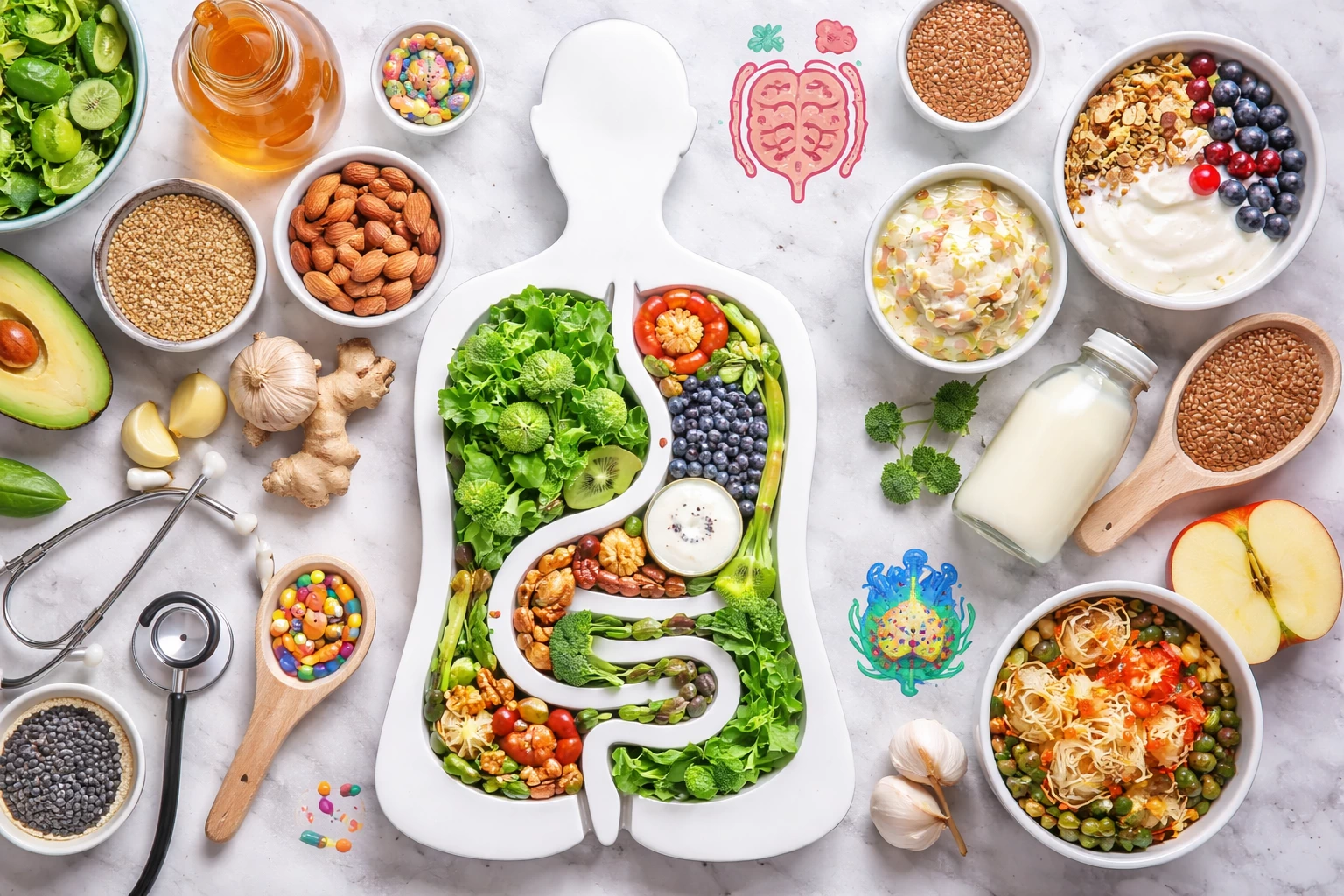
The Role of Gut Health in Weight Loss and Metabolic Balance
Gut health has become a central topic in modern weight loss strategies, and for good reason. The gut is not only responsible for digestion but also plays a powerful role in regulating metabolism, hormones, and inflammation. As research continues to evolve, it is increasingly clear that improving gut health can directly support sustainable weight management and overall metabolic balance.
Understanding the Gut Microbiome
The gut microbiome refers to the trillions of microorganisms living in your digestive system. These bacteria help break down food, absorb nutrients, and influence how your body stores fat. When the microbiome is balanced, it supports efficient metabolism and energy use. However, an imbalance often called dysbiosis can lead to weight gain, bloating, and slower metabolic function.
Moreover, certain strains of beneficial bacteria are linked to better weight control. For instance, individuals with a diverse microbiome tend to process nutrients more effectively, which contributes to improved metabolic outcomes.
How Gut Health Affects Weight Loss
A healthy gut impacts weight loss in several interconnected ways. First, it regulates hunger hormones such as leptin and ghrelin, which control appetite and satiety. When gut bacteria are out of balance, these signals can become disrupted, leading to increased cravings and overeating.
In addition, gut health influences how calories are extracted from food. Some bacterial profiles are more efficient at harvesting energy, which may contribute to excess fat storage. Therefore, optimizing your gut can help your body use calories more efficiently rather than storing them.
Furthermore, inflammation plays a critical role. Poor gut health can trigger chronic low-grade inflammation, which is closely associated with obesity and metabolic disorders. By improving gut integrity, inflammation can be reduced, allowing the body to function more effectively.
The Connection Between Gut Health and Metabolism
Metabolic balance relies heavily on how well your body converts food into energy. A well-functioning gut supports this process by producing short-chain fatty acids, which help regulate metabolism and insulin sensitivity. As a result, individuals with a healthier gut often experience better blood sugar control and improved fat-burning capacity.
Additionally, the gut communicates directly with the brain through the gut-brain axis. This connection influences not only hunger but also mood and motivation, both of which are essential for maintaining long-term weight loss habits.
Strategies to Improve Gut Health
Improving gut health does not require extreme changes, but consistency is key. Incorporating fiber-rich foods such as vegetables, fruits, and whole grains helps nourish beneficial bacteria. At the same time, fermented foods like yogurt, kefir, and sauerkraut can introduce helpful probiotics into the system.
Equally important, reducing processed foods and excess sugar can prevent harmful bacteria from thriving. Hydration, regular physical activity, and quality sleep also contribute significantly to maintaining a balanced gut environment.
Why Gut Health Matters for Sustainable Results
Unlike quick-fix diets, focusing on gut health supports long-term success. By addressing the root causes of metabolic imbalance, individuals can achieve more stable and lasting weight loss results. In other words, when the gut is healthy, the entire body functions more efficiently.
Final Thoughts
Gut health is a foundational element of effective weight management. It influences digestion, metabolism, hormone regulation, and inflammation all of which are critical for achieving and maintaining a healthy weight. Therefore, prioritizing gut health is not just a trend but a science-backed approach to sustainable wellness.
- Call: (561) 508-7318
- Text Dr. Leo: (561) 313-5006
- Send Email: Click Here